Unlocking the Potential of Wasabi Root Seeds in the Culinary World
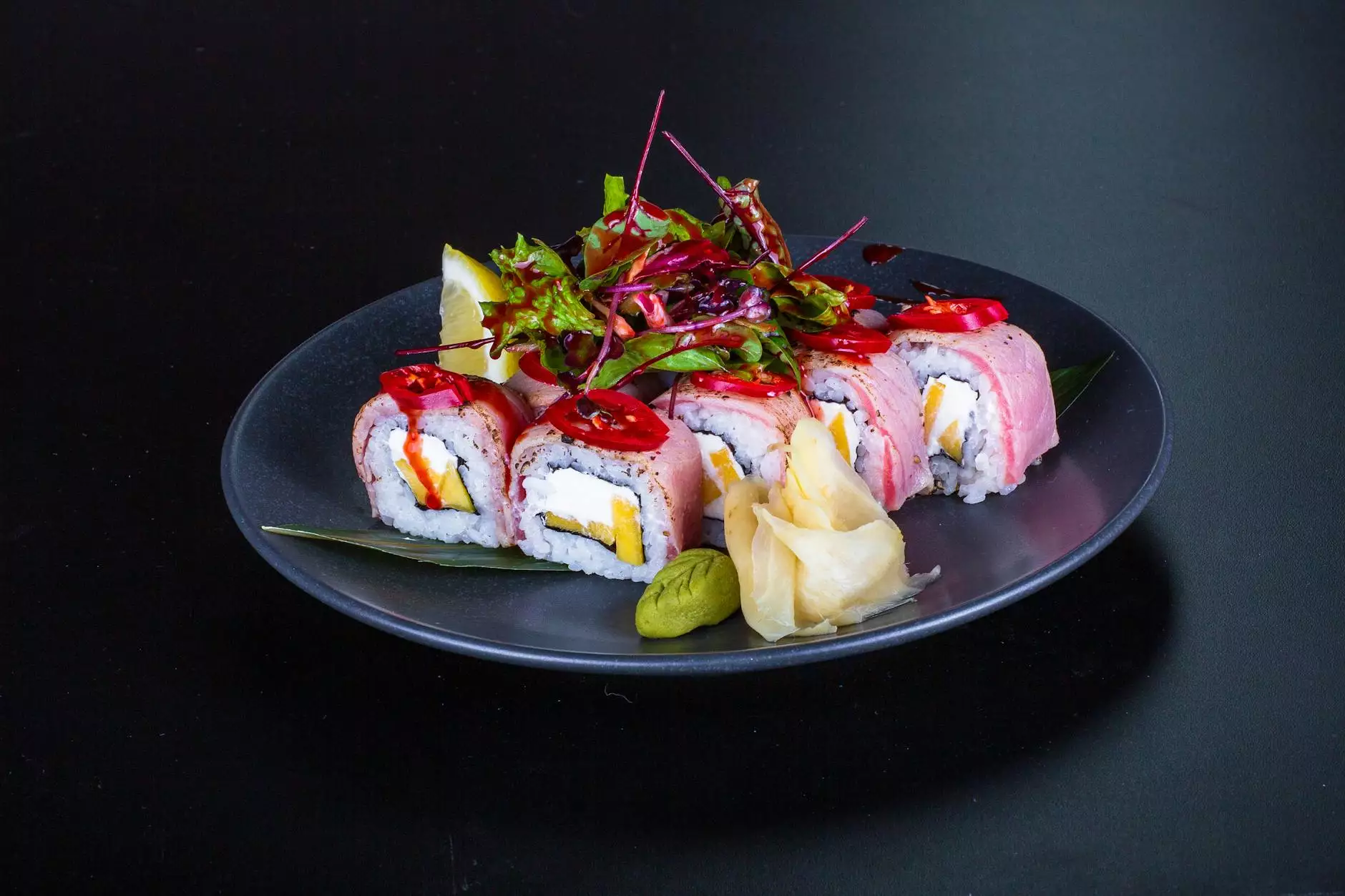
Wasabi root seeds are a distinct and essential element in the vast landscape of Japanese cuisine, especially in sushi bars and restaurants. This article explores everything you need to know about wasabi root seeds, from their cultivation to their culinary uses, as well as their health benefits and the market opportunities for businesses in the food industry.
What are Wasabi Root Seeds?
Wasabi, known scientifically as Wasabia japonica, is a plant native to Japan. The root is widely recognized for its pungent flavor, commonly used as a condiment in sushi. The role of wasabi root seeds is crucial in the cultivation of this remarkable plant, serving as the building blocks for generating new plants and thus sustaining its availability in various culinary settings.
The Lifecycle of Wasabi Plants
- Seed Germination: Wasabi plants can be grown from seeds, which typically take several weeks to germinate. This stage requires meticulous planning and attention to detail.
- Plant Growth: Once germinated, seedlings must be nurtured in specific conditions that mirror their natural habitat, including shaded areas with constant moisture.
- Maturation: It can take up to two years for these plants to reach maturity before the roots can be harvested for culinary use.
The Importance of Wasabi Root Seeds in Culinary Arts
Wasabi root seeds are not only crucial for sustainability but also for enhancing the culinary experiences across various establishments. Restaurants and sushi bars benefit immensely from incorporating fresh wasabi into their dishes. Here are some reasons why these seeds are vital:
1. Flavor Enhancement
Wasabi root seeds produce roots that are rich in flavor and aroma. The root offers a sharp spiciness different from common condiments like horseradish, making it highly sought after for sushi and sashimi pairings.
2. Authenticity in Japanese Cuisine
Using genuine wasabi cultivated from wasabi root seeds ensures authenticity in Japanese dishes, allowing chefs to create culinary masterpieces that respect traditional recipes.
3. Market Demand
As global interest in sushi continues to grow, restaurants that invest in fresh wasabi often see a positive impact on their branding and customer satisfaction. This demand subsequently promotes better business opportunities for suppliers of wasabi root seeds.
Health Benefits of Wasabi
Wasabi is not just a flavorful addition to meals; it also offers numerous health benefits. Here are some of the potential advantages:
- Anti-inflammatory Properties: Wasabi contains compounds that may help reduce inflammation in the body, promoting overall health.
- Antimicrobial Effects: The natural chemicals in wasabi may inhibit the growth of certain bacteria, providing a protective effect.
- Rich in Nutrients: Wasabi is a good source of vitamins, minerals, and antioxidants, aiding in enhancing the immune system and overall well-being.
Commercial Opportunities with Wasabi Root Seeds
For aspiring entrepreneurs or established businesses in the restaurant industry, investing in wasabi root seeds opens up an array of commercial possibilities:
1. Cultivation Ventures
Starting a wasabi farm can be a lucrative investment. With the proper environment and care, wasabi plants can offer a continuous harvest.
2. Unique Product Offering
Restaurants can stand out by offering fresh wasabi grated on-demand, delighting customers and creating a reputable niche.
3. Educational Workshops
Businesses can host workshops about wasabi cultivation and its culinary applications, promoting a sense of community while generating additional revenue streams.
Cultivating Wasabi: A Step-by-Step Guide
Cultivating wasabi from wasabi root seeds involves several crucial steps that should be followed to achieve successful growth:
Step 1: Selecting Quality Seeds
Choose high-quality seeds from a reputable supplier to ensure a strong genetic foundation for your plants.
Step 2: Preparing the Soil
Wasabi thrives in nutrient-rich, well-draining soil. Amend soil with organic matter to improve texture and fertility.
Step 3: Planting the Seeds
Plant seeds in a shaded, moist area. Maintain a temperature between 45°F and 70°F (7°C to 21°C) to encourage germination.
Step 4: Nurturing the Plants
Water the plants regularly to maintain moisture levels, but avoid waterlogging. Applying mulch can help retain soil moisture.
Step 5: Harvesting
After 1-2 years, roots can be harvested. Timing is essential; roots are usually best when they are around 6-8 inches long.
Implementing Wasabi in Restaurant Menus
Integrating wasabi into restaurant dishes can elevate the dining experience. Here are some suggestions:
Innovative Sushi Dishes
Use fresh wasabi in sushi and sashimi to enhance flavor profiles, offering diners a unique experience compared to traditional horseradish alternatives.
Wasabi-infused Sauces
Creating sauces that include wasabi can add a delightful kick to grilled meats and seafood dishes.
Creative Appetizers
Incorporate wasabi into dressings, dips, and marinades, allowing patrons to explore the diverse flavors that wasabi can offer.
Marketing Your Wasabi Products
Successfully promoting wasabi products requires effective marketing strategies:
Social Media Engagement
Utilize platforms like Instagram and Facebook to showcase your unique dishes, attracting customers looking for authentic Japanese culinary experiences.
Partnerships with Food Influencers
Collaborate with food bloggers and influencers to create buzz around your restaurant's uses of fresh wasabi.
Participation in Culinary Events
Engage with the community by participating in food festivals and events, sharing the versatility of wasabi with a broader audience.
Conclusion
Incorporating wasabi root seeds into your culinary repertoire can set your business apart in the competitive restaurant and sushi bar landscape. The unique flavor of wasabi, combined with its health benefits and market potential, positions it as a valuable ingredient and product. By cultivating wasabi and utilizing it innovatively in dishes, restaurateurs can not only enhance their offerings but also contribute to a sustainable and authentic dining experience that celebrates the best of Japanese cuisine.