The Importance of Shoulder Abduction External Rotation in Health and Rehabilitation
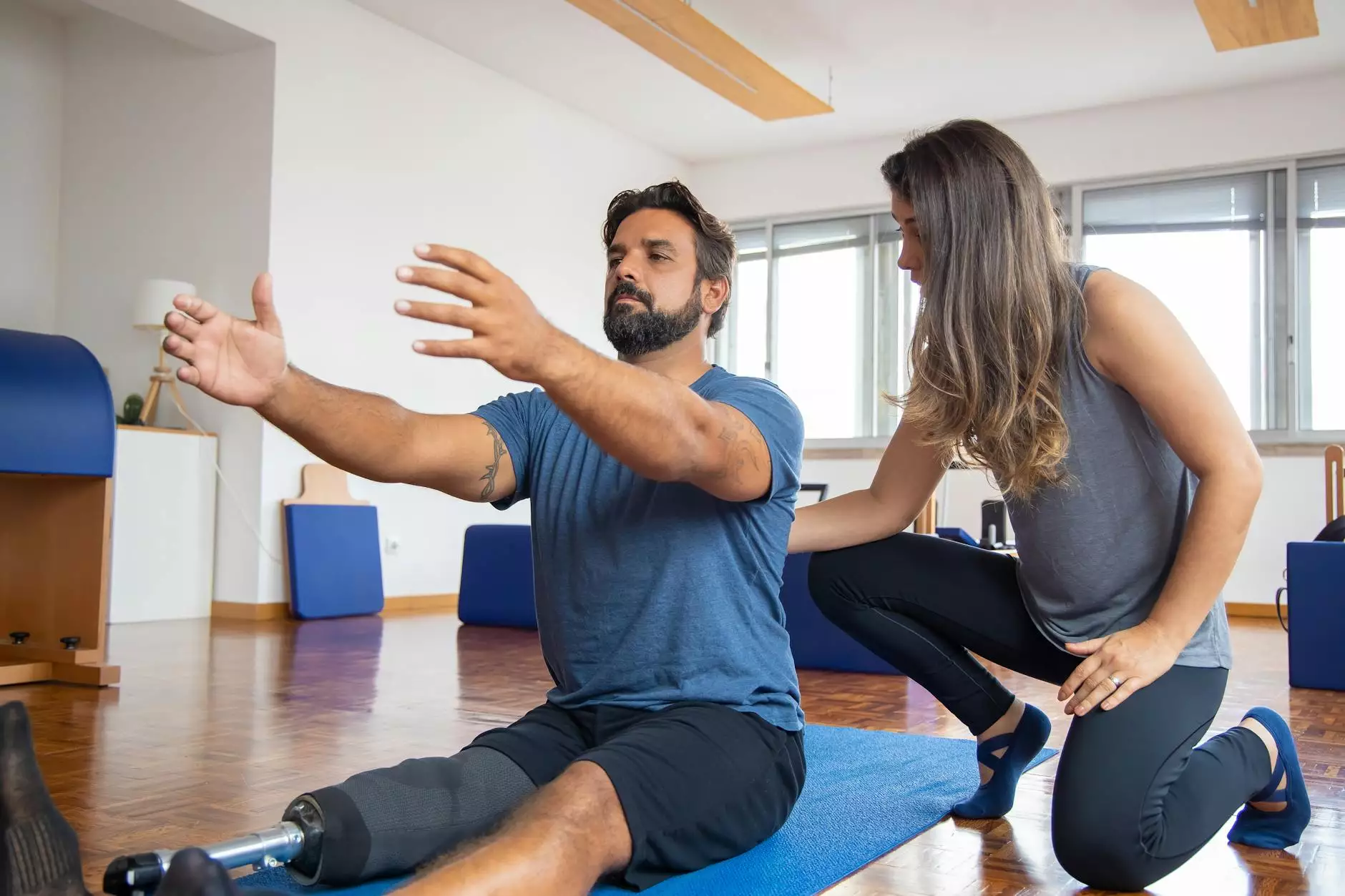
In the fields of Health & Medical, Education, and Chiropractors, understanding the biomechanics of the shoulder is crucial. One of the critical movements that both healthcare providers and patients should be educated about is shoulder abduction external rotation. This article aims to delve deep into this essential shoulder movement and provide comprehensive insights that could greatly benefit rehabilitation practices.
Understanding Shoulder Mechanics
To appreciate the significance of shoulder abduction external rotation, we first need to understand the anatomy of the shoulder joint. The shoulder is one of the most complex joints in the human body, allowing for a wide range of motion due to its unique structure. The shoulder consists of three bones: the humerus, the scapula, and the clavicle. Each of these bones plays a critical role in shoulder mobility and stability.
Anatomy of the Shoulder Joint
- Humerus: The upper arm bone that connects to the shoulder joint.
- Scapula: Also known as the shoulder blade, it provides a base for shoulder movements.
- Clavicle: The collarbone that connects the arm to the body.
The shoulder joint is categorized as a ball-and-socket joint, which is pivotal in activities requiring a wide range of motion. However, this freedom also comes with the risk of injury, especially when movements like shoulder abduction external rotation are not performed correctly.
The Biomechanics of Shoulder Abduction External Rotation
Shoulder abduction refers to the movement of the arm away from the body, while external rotation refers to the rotation of the arm away from the midline of the body. Together, these movements are essential for many functional activities such as throwing a ball, reaching overhead, or performing various exercises.
Importance of Proper Mechanics
Understanding the biomechanics behind shoulder abduction external rotation is vital for preventing injuries and optimizing rehabilitation strategies. The rotator cuff muscles, which include the supraspinatus, infraspinatus, teres minor, and subscapularis, play a pivotal role in this movement. These muscles stabilize the shoulder during dynamic activities and protect it from undue stress.
Common Injuries Related to Shoulder Abduction External Rotation
Due to the complexity of the shoulder joint and the demands placed on it during physical activity, several injuries can arise related to shoulder abduction external rotation. Understanding these common injuries is vital for chiropractors and health professionals.
1. Rotator Cuff Tears
Rotator cuff tears are one of the most prevalent injuries affecting individuals who engage in overhead activities. This injury can occur from acute trauma or degenerative changes over time. Symptoms include pain, weakness, and limited range of motion, particularly during abduction and external rotation.
2. Shoulder Impingement Syndrome
Shoulder impingement is another condition that often affects the mechanics of shoulder abduction external rotation. This occurs when the tendons of the rotator cuff become compressed during arm elevation. It is critical to address shoulder impingement early to avoid more severe injuries.
3. Glenohumeral Instability
Glenohumeral instability can arise after dislocations or subluxations. This condition often presents challenges in maintaining proper shoulder mechanics and can lead to further injuries if not managed appropriately. Stability is crucial for performing shoulder abduction external rotation efficiently.
Rehabilitation Strategies for Shoulder Abduction External Rotation
Rehabilitation plays a key role in treating injuries associated with shoulder abduction external rotation. A well-designed rehabilitation program focuses on restoring range of motion, strength, and functional abilities while preventing recurrence of the injury. Here’s how rehabilitation can be structured:
1. Assessment and Diagnosis
The first step in any rehabilitation program is a thorough assessment. Chiropractors and physiotherapists should examine the patient's range of motion, identify any weakness in the rotator cuff muscles, and assess pain levels. Diagnostic imaging, such as MRI or ultrasound, may be used if necessary.
2. Pain Management and Inflammation Control
Initially, managing pain and inflammation is essential. Techniques such as ice therapy, electrical stimulation, and anti-inflammatory medications can be employed to facilitate the healing process.
3. Restoring Range of Motion
Once pain is controlled, the next goal is to restore range of motion in the shoulder. Gentle stretching exercises targeting the shoulder's internal and external rotators can enhance flexibility and mobility.
4. Strengthening Exercises
After regaining adequate range of motion, strengthening exercises become crucial. A focus on the rotator cuff muscles through shoulder abduction external rotation activities helps build stability. These exercises may include:
- External rotation with bands: Using resistance bands, patients can perform external rotations to strengthen the infraspinatus and teres minor.
- Shoulder scaption: Raising the arms at a 30-degree angle from the body with thumbs up to strengthen the supraspinatus.
- Wall slides: These help engage multiple shoulder muscles while improving coordination.
5. Functional Training
Including functional training in the rehabilitation process is essential. This involves practicing activities relevant to the patient's lifestyle, ensuring a seamless transition back to normal functionality. Practicing sports-specific movements that require shoulder abduction external rotation can significantly enhance performance.
Educating Patients on the Importance of Shoulder Abduction External Rotation
Education is critical in rehabilitation. Patients should understand the importance of shoulder abduction external rotation and how it impacts their recovery. Knowledge about proper mechanics and preventive measures can empower patients and enhance their treatment outcomes.
1. Understanding Biomechanics
Patients should be educated on how the shoulder functions during various activities. Understanding the role of shoulder abduction external rotation in everyday tasks can motivate patients to adhere to their rehabilitation programs.
2. Preventive Strategies
Instructing patients on preventive strategies to avoid shoulder injuries is equally essential. This may include:
- Adequate warm-up: Always perform warm-up exercises before engaging in physical activities.
- Strength training: Incorporate regular strength training focused on the shoulder muscles.
- Avoid repetitive overhead motions: Recognize when to rest and avoid activities that worsen shoulder pain.
Conclusion
Shoulder abduction external rotation is a fundamental movement that plays an integral role in shoulder health, injury prevention, and rehabilitation. By understanding its mechanics, recognizing associated injuries, and implementing effective rehabilitation strategies, healthcare providers, including chiropractors, can significantly enhance recovery outcomes for their patients.
Ultimately, knowledge about the mechanics of the shoulder and specific movements can empower patients, enhance their recovery journeys, and prevent future injuries. Emphasizing education and preventive measures is the key to achieving long-lasting shoulder health.
For professionals involved in health and rehabilitation, continuous learning and adaptation of new techniques in managing shoulder abduction external rotation is crucial. Engaging with patients on their journeys is just as vital as the methods applied in treatment. By fostering a shared understanding, healthcare providers can enhance their efficacy and ultimately lead their patients towards healthier, more functional lives.