Bilateral Oophorectomy and Salpingectomy: A Comprehensive Guide
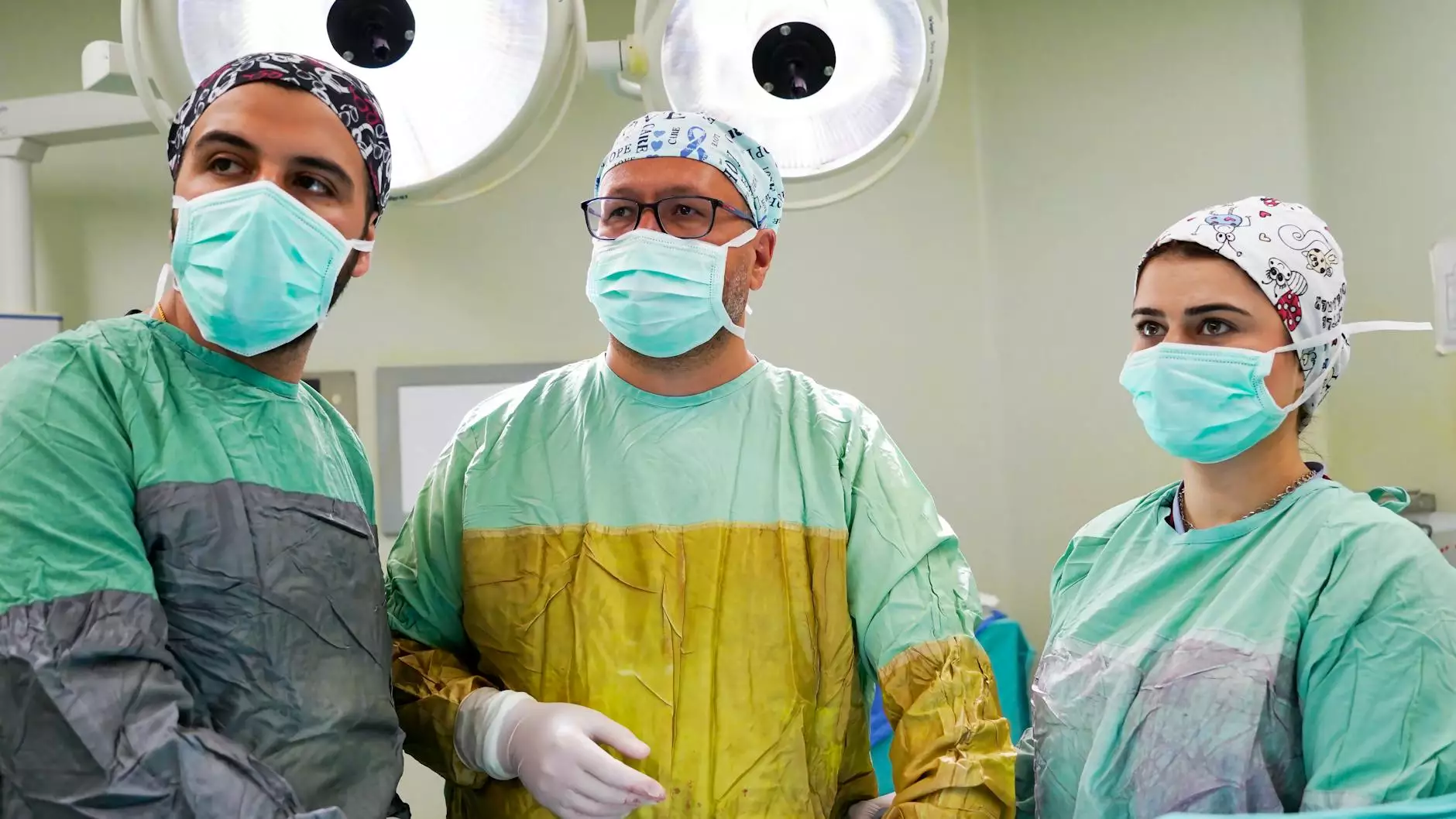
Bilateral oophorectomy and salpingectomy are surgical procedures that play crucial roles in women's reproductive health. Whether required due to medical conditions like ovarian cancer or as a preventative measure, understanding these procedures is paramount. This article delves into what these surgeries entail, their benefits, risks, and the recovery process, shedding light on why consulting with specialists such as those at Dr. Seckin’s clinic is essential.
What is Bilateral Oophorectomy?
A bilateral oophorectomy involves the surgical removal of both ovaries. This procedure is often performed to treat or prevent conditions such as:
- Ovarian Cancer: Women diagnosed with ovarian cancer may require removal of the ovaries to prevent cancer spread.
- Endometriosis: A severe case of endometriosis may necessitate the removal of ovaries to alleviate chronic pain.
- Benign Ovarian Tumors: Removal may also be required for large benign tumors that cause discomfort or complications.
What is Salpingectomy?
Salpingectomy refers to the surgical removal of one or both fallopian tubes. Just like with a bilateral oophorectomy, this procedure can be life-saving and is performed for various reasons, including:
- Ectopic Pregnancy: When a pregnancy occurs outside the uterus, a salpingectomy may be necessary.
- Pelvic Inflammatory Disease (PID): Chronic PID can lead to substantial damage to the fallopian tubes, making removal a viable option.
- Tubal Ligation: Women who choose permanent birth control often undergo this procedure.
Benefits of Bilateral Oophorectomy and Salpingectomy
Each procedure offers specific health benefits that cater to individual medical needs:
- Reduces Cancer Risk: For women with a family history of ovarian or breast cancer, undergoing a bilateral oophorectomy can significantly reduce the risk of developing these cancers.
- Relief from Chronic Pain: Patients suffering from conditions like endometriosis or PID often find relief post-surgery, enhancing their quality of life.
- Elimination of Hormonal Regulation: By removing the ovaries, hormonal fluctuations related to menstrual cycles are ceased, which may be favorable for some women.
Understanding the Risks
While both bilateral oophorectomy and salpingectomy are generally safe, they come with certain risks that need consideration:
- Hormonal Changes: Removal of the ovaries can lead to early menopause, causing symptoms like hot flashes and mood swings.
- Infection: As with any surgical procedure, there is a risk of infection.
- Bowel or Bladder Injury: Surrounding organs can be inadvertently injured during surgery, leading to complications.
Preparing for Surgery
Preparation for a bilateral oophorectomy or salpingectomy involves several steps:
- Consultation: In-depth discussions with a qualified healthcare provider, like the specialists at Dr. Seckin’s clinic, are essential to discuss the necessity of the procedure.
- Preoperative Testing: This may include blood tests, imaging studies, and possibly a physical exam to ensure the patient is fit for surgery.
- Understanding Anesthesia: Patients will be informed about anesthetic options and must communicate any allergies or previous reactions to anesthetics.
The Surgical Process
Surgery can be performed using different techniques:
- Open Surgery: A larger incision is made to access the ovaries or fallopian tubes.
- Laparoscopic Surgery: Minimally invasive surgery that involves smaller incisions and usually results in shorter recovery times.
The choice between these methods typically depends on the patient’s specific conditions and the surgeon’s recommendation.
Recovery After Surgery
Post-operative recovery can vary from patient to patient; however, some general guidelines include:
- Hospital Stay: Patients undergoing laparoscopic surgery may spend only a few hours in recovery, while open surgery might require a longer stay.
- Pain Management: Doctors usually prescribe pain medications to manage discomfort.
- Activity Restrictions: Physical activity may be limited for several weeks as the body heals. It's crucial to follow your doctor's specific guidelines.
- Follow-Up Appointments: Regular check-ups are vital to monitor healing and manage any complications that may arise.
The Long-Term Outlook
The long-term outlook post-surgery can be quite positive, especially when the procedure is performed for disease control or symptom relief. Regular follow-ups with health care providers are critical to managing any hormonal changes resulting from the removal of ovaries. Women may also consider hormone replacement therapy to alleviate menopausal symptoms.
Conclusion
In summary, understanding the implications of a *bilateral oophorectomy* and *salpingectomy* can empower women to make informed decisions about their reproductive health. The expertise available at Dr. Seckin’s clinic includes tailored consultations and treatment plans that cater to individual health needs. Women contemplating these surgeries should prioritize discussions with their healthcare providers to explore all available options and understand the post-operative care involved. This comprehensive knowledge ensures that patients are well-prepared and supported on their journey to better health.
Seeking Expert Help
For anyone considering a bilateral oophorectomy and salpingectomy, it's vital to connect with a skilled professional. At Dr. Seckin’s clinic, people can gain access to some of the best specialists in the field of obstetrics and gynecology. With their wealth of experience, they can provide invaluable guidance and care tailored to individual health needs.