Exploring the Wonders of Ngorongoro Crater Safari
The Ngorongoro Crater is one of the most iconic natural wonders in Tanzania, and embarking on a Ngorongoro Crater safari is a bucket-list experience that brings you up close with Africa's breathtaking wildlife and stunning scenery. As you explore this UNESCO World Heritage Site, you’ll discover a vibrant ecosystem that supports a wealth of wildlife. In this article, we will delve into what makes a visit to the Ngorongoro Crater a must for every adventurer.
What is Ngorongoro Crater?
The Ngorongoro Crater is a massive volcanic caldera that was formed millions of years ago when a volcano exploded and collapsed in on itself. Spanning about 262 square kilometers, it is the world’s largest inactive and unfilled volcanic caldera. The crater is often referred to as a "natural amphitheater," surrounded by cliffs that rise about 610 meters above the crater floor, creating a unique environment that is perfect for wildlife viewing.
Why Choose a Ngorongoro Crater Safari?
Choosing to go on a Ngorongoro Crater safari offers numerous advantages for nature lovers and adventure seekers:
- Rich Biodiversity: The crater is home to a diverse array of wildlife, including the famous Big Five: lions, leopards, elephants, rhinoceroses, and buffaloes.
- Unique Ecosystem: The crater’s unique topography creates various habitats within a relatively small area, from grasslands to forests, providing a perfect setting for different species.
- Accessibility: Ngorongoro Crater is easily accessible from different parts of Tanzania, making it an ideal destination for short getaways or longer safaris.
- Stunning Scenery: Experience breathtaking landscapes, including vast grasslands, dense forests, and colorful volcanic landscapes.
- Cultural Experiences: Interact with the Maasai people who inhabit the area and learn about their rich culture and traditions.
The Best Time to Visit Ngorongoro Crater
The best time for a Ngorongoro Crater safari typically falls between June and October during the dry season. This period offers optimal wildlife viewing opportunities as animals gather around water sources. However, visiting during the wet season (November to May) can also be rewarding—especially for birdwatchers—since migratory birds flock to the area.
Preparing for Your Ngorongoro Crater Safari
Preparation is key to making the most of your safari experience. Here are some essential tips:
1. Choosing the Right Tour Operator
Selecting a reputable tour operator like Ecological Adventure is crucial for a seamless experience. Look for operators that prioritize sustainable tourism and have knowledgeable guides who can enhance your understanding of the region's wildlife and ecology.
2. Packing Essentials
When packing for your Ngorongoro Crater safari, remember to include:
- Comfortable Clothing: Lightweight, breathable fabrics suitable for both warm days and cooler evenings.
- Sturdy Footwear: Proper hiking boots for exploration on foot where necessary.
- Binoculars: For bird watching and spotting wildlife from a distance.
- Camera: Capture the memories of this unforgettable experience.
- Sunscreen and Insect Repellent: Protect your skin from the sun and insects.
What to Expect During Your Safari
During your Ngorongoro Crater safari, prepare for exciting encounters with wildlife. Expect to see:
Lions and Other Big Cats
The Ngorongoro Crater is known for its resident lion population. Spotting these majestic big cats as they lounge in the sun or stalk their prey is an unforgettable experience.
Elephants and Rhinoceroses
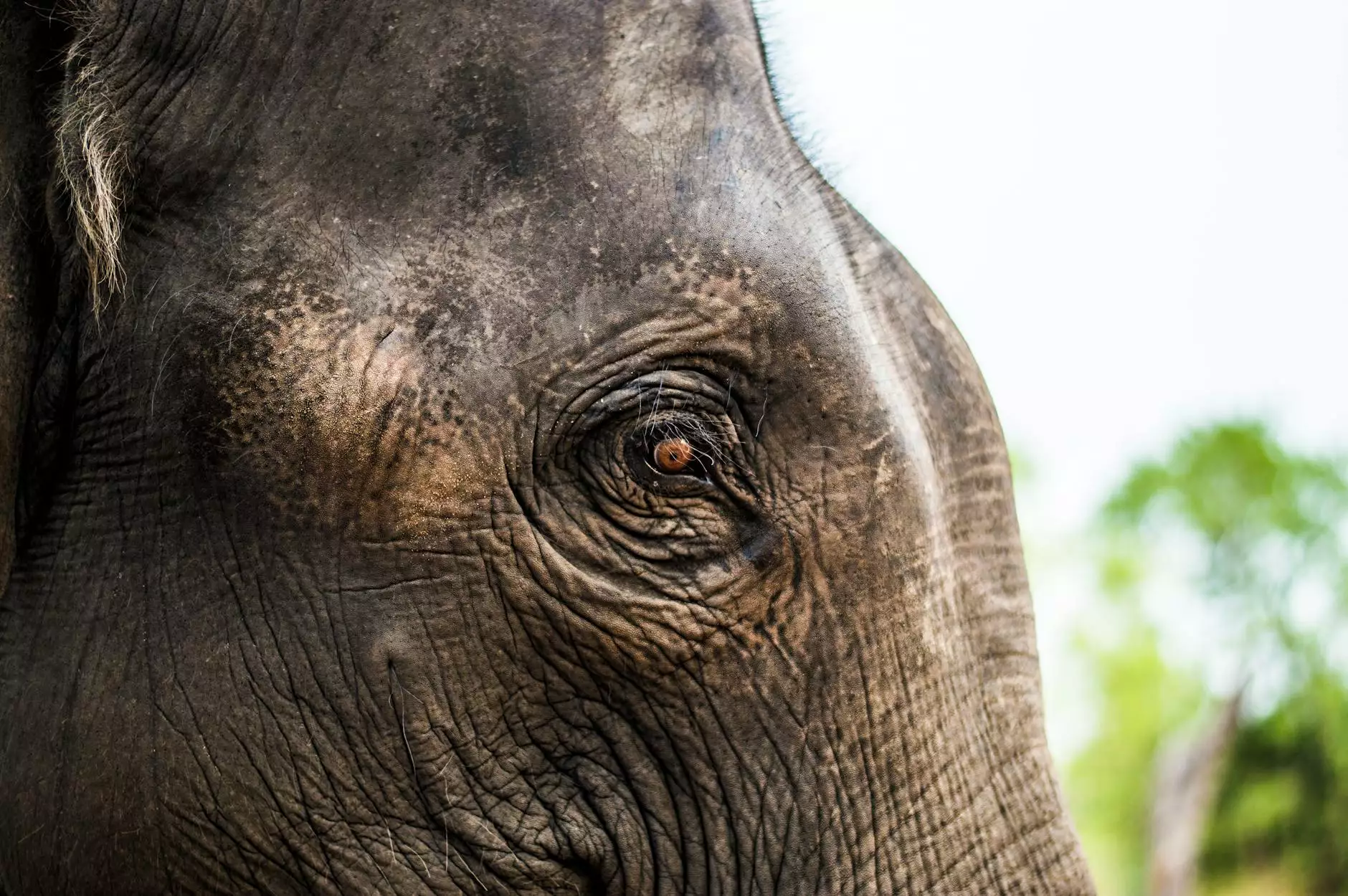
The crater is home to a significant number of elephants and one of the few places to see the endangered black rhinoceros. Witnessing these giant creatures in their natural habitat is a highlight of any safari.
Birdwatching Opportunities
With over 500 bird species recorded, including pelicans, ostriches, and various raptors, birdwatchers will find a paradise in the crater.
Exploring Beyond the Crater
While the Ngorongoro Crater is a stunning destination, consider exploring nearby attractions as part of your safari experience:
Tarangire National Park
Known for its large herds of elephants and iconic baobab trees, a visit to Tarangire provides an excellent contrast to the Ngorongoro experience.
Serengeti National Park
Just a short distance away, the Serengeti offers vast savannahs and is famous for the Great Migration, making it a perfect follow-up to your Ngorongoro adventure.
Olduvai Gorge
A visit to the cradle of humanity, Olduvai Gorge, where some of the earliest hominid fossils were discovered, adds an historical dimension to your safari.
Ecological Considerations and Conservation Efforts
Participating in a Ngorongoro Crater safari also means being aware of ecological considerations. Sustainable tourism practices are vital to preserving the delicate ecosystems within the crater. Ecological Adventure takes great pride in promoting conservation and protecting the rich biodiversity of this extraordinary locale.
Every safari booked contributes to conservation efforts—ensuring that future generations will be able to enjoy the same awe-inspiring landscapes and wildlife you encounter today.
Conclusion: The Adventure Awaits
Embarking on a Ngorongoro Crater safari is not merely a trip; it is a journey into one of the most beautiful wildlife habitats on the planet. With its rich biodiversity, stunning landscapes, and incredible cultural experiences, the Ngorongoro Crater is a destination that beckons travelers from all corners of the globe. Whether you’re a seasoned safari-goer or a first-time visitor to Africa, the magic of Ngorongoro is sure to leave a lasting impression.
Book your safari with Ecological Adventure today and prepare to explore the heartbeat of Africa!