Unlocking the Power of Model Prototypes in Architecture
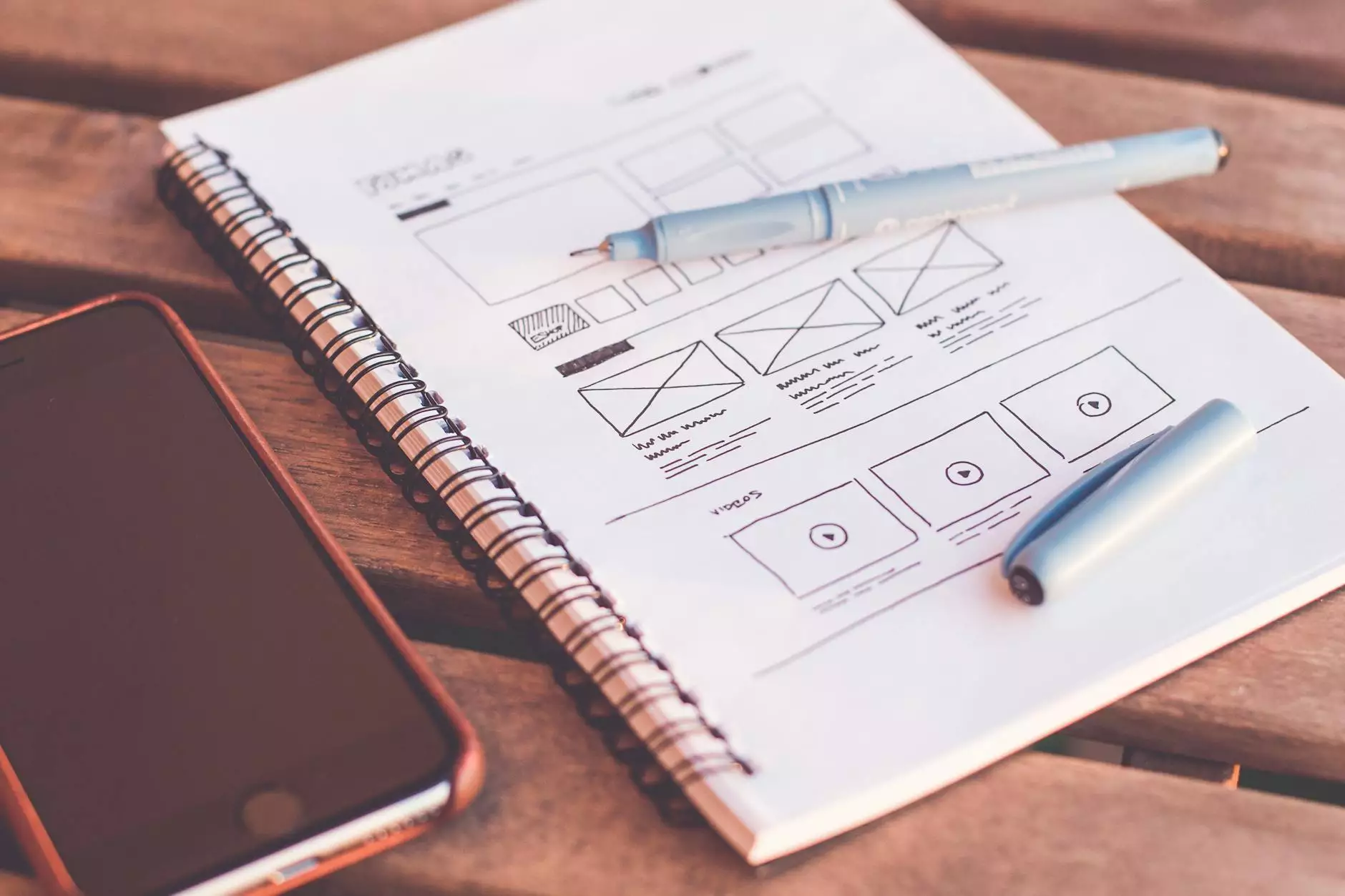
Model prototypes have emerged as essential components in the architectural design process, providing invaluable benefits that enhance communication, reduce risks, and foster creativity. This article delves deep into the intricate world of architectural model prototypes, exploring their role, types, benefits, and best practices for successful implementation.
Understanding the Concept of Model Prototypes
At its core, a model prototype serves as a tangible representation of an architectural design concept. It provides architects, clients, and stakeholders with a visual and often physical means to interact with ideas that might otherwise remain abstract. Simply put, a prototype is a preliminary version of a product designed to test ideas, features, and usability before finalizing a design.
The Importance of Model Prototypes in Architecture
Architectural projects are complex endeavors involving numerous stakeholders and a multitude of details. As such, effective communication is paramount. A model prototype plays a crucial role here by:
- Enhancing Visualization: A prototype offers a three-dimensional view of the architect's vision, enabling better understanding and appreciation from clients and team members.
- Facilitating Discussions: Models act as focal points during discussions, allowing stakeholders to provide immediate feedback and make informed decisions.
- Identifying Problems Early: By constructing a model early in the design process, architects can spot potential issues and address them before they escalate into costly changes.
- Creating Tangible Expressions: Prototypes bring abstract ideas to life, making it easier for clients to visualize the final output.
Types of Model Prototypes in Architecture
There are various types of model prototypes utilized in architecture, each serving distinct purposes and advantages. The choice of prototype often depends on the project's stage, budget, and complexity.
1. Scale Models
Scale models are miniature representations of the final structure, often built to a fixed scale, allowing for comprehensive spatial analysis and design evaluation. These models can range from simple cardboard designs to intricate fabrications using high-tech materials. Scale models are perfect for:
- Demonstrating mass and form
- Evaluating spatial relationships
- Showcasing design features
2. Digital Prototypes
With the rise of technology, digital prototypes have gained momentum in the architectural field. Utilizing software like CAD or 3D modeling programs, architects can create virtual representations of their designs, which can be manipulated for further evaluation and alterations. Digital prototypes allow for:
- Real-time modifications
- Enhanced collaboration through shared files
- Immersive experiences using virtual reality
3. Physical Prototypes
Physical prototypes are three-dimensional models built from various materials, offering a tactile experience. These can be effective at presenting ideas to clients, as they allow for the exploration of textures, colors, and details that digital models alone cannot convey.
Benefits of Using Model Prototypes in Architecture
The integration of model prototypes into the architectural process provides significant advantages, influencing the overall success of projects. Here are some benefits to consider:
1. Improved Communication
Architects often deal with clients who may not have a technical background. A prototype simplifies complex architectural ideas and enhances communication, ensuring all parties have the same understanding of the vision at hand.
2. Cost-Effectiveness
Using prototypes can save money in the long run. Although there may be an initial investment, identifying design flaws early can prevent costly revisions during construction.
3. Increased Client Satisfaction
When clients can see and interact with a model, they are more likely to feel involved and invested in the process. This proactive engagement leads to higher levels of client satisfaction upon project completion.
4. Efficiency in Design Processes
Prototyping aids in streamlining the design process. By allowing architects to clarify designs early and address feedback instantly, project timelines can be shortened significantly.
Best Practices for Creating Effective Model Prototypes
To fully leverage the benefits of a model prototype, architects must adopt best practices throughout the prototyping process. Here are valuable insights:
1. Start Early
Integrating prototypes early in the project cycle encourages exploration and innovation. This approach allows for greater flexibility in design decisions.
2. Engage Stakeholders
Involve clients, engineers, and other stakeholders throughout the prototyping process. Their input can yield diverse perspectives that enhance the design.
3. Be Open to Feedback
Encourage constructive criticism. Feedback from various stakeholders is a crucial part of refining your architectural vision and ensuring a successful outcome.
4. Use Quality Materials
While the focus is on the design concept, the materials used in creating prototypes should be high-quality to accurately reflect the final product.
Future Trends in Architectural Model Prototyping
The future of architectural prototyping is evolving rapidly, influenced by advancements in technology and design thinking. Here are some trends to watch:
1. Integration of AI and Machine Learning
Future prototypes may harness the power of artificial intelligence to provide predictive analytics about potential challenges and design solutions, thus enhancing the accuracy of designs.
2. Sustainable Practices
With increasing awareness of sustainability, architects are exploring eco-friendly materials for prototypes, aligning designs with sustainability goals.
3. Enhanced Virtual Reality Experiences
As virtual reality technology advances, architects will likely develop immersive experiences that allow clients to walk through and interact with digital models before the construction begins.
Conclusion
In an ever-evolving architectural landscape, model prototypes are indispensable tools that enhance communication, reduce risks, and ultimately lead to successful project outcomes. Understanding their importance, types, and best practices will enable architects to navigate their complex design journeys more effectively. Adopting a proactive approach to using prototypes will not only satisfy clients but will also elevate the architectural profession as a whole.
Call to Action
If you're an architect seeking to incorporate model prototypes into your workflow or looking to enhance your project communication methods, consider reaching out to Architectural Model. We specialize in providing tailored solutions for all your architectural modeling needs. Let's transform your vision into reality!