Exploring the Everest Region, Nepal: A Journey to the Top of the World
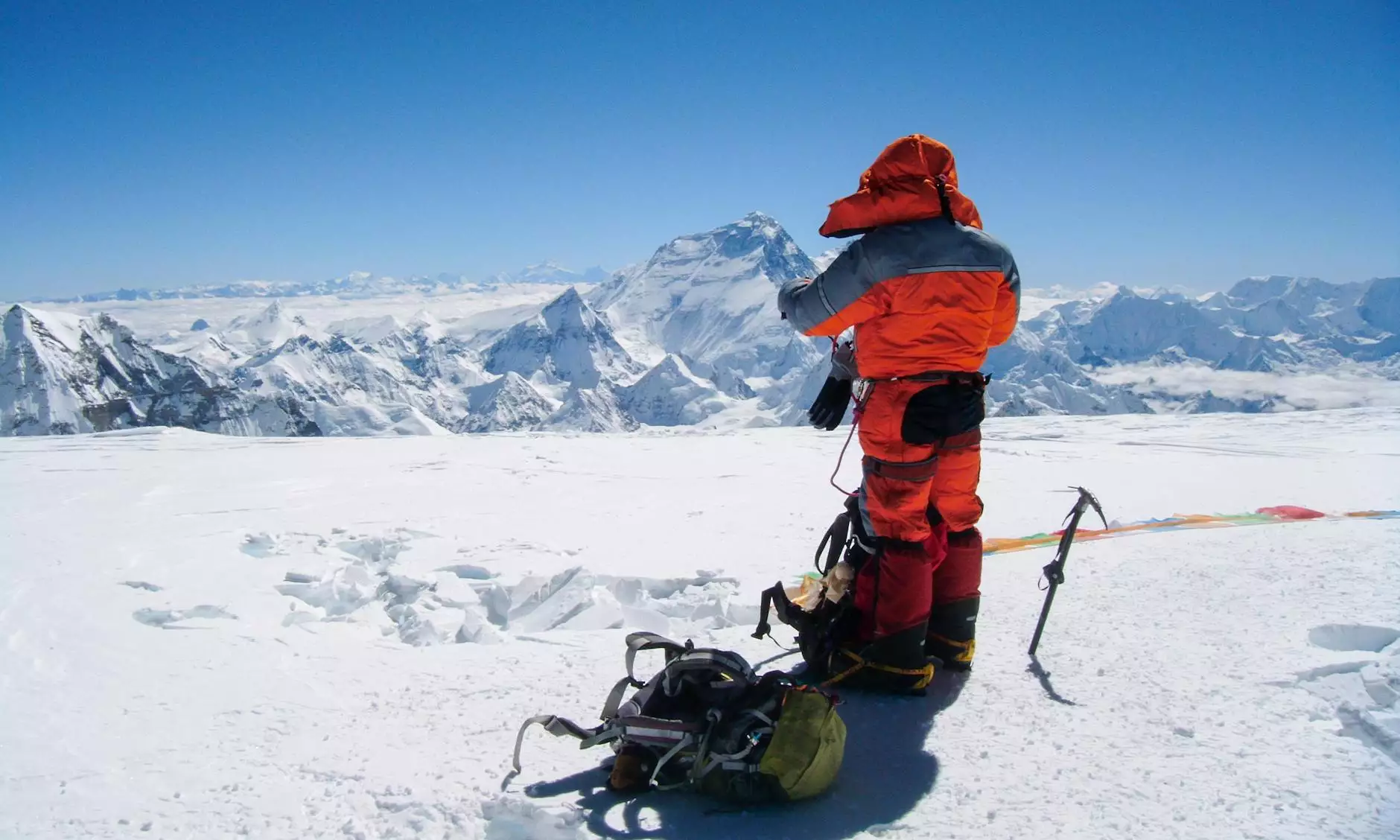
When thinking of epic travel destinations, the Everest Region of Nepal undoubtedly tops the list. Known for its majestic peaks, vibrant cultures, and an aura of adventure, this magnificent area attracts trekkers, climbers, and explorers from all around the globe. If you are bound to experience the wonders of this unique terrain, let Peace Nepal Treks be your guide. Our mission is to provide you with unforgettable tours and services as a premier travel agent in the Everest region.
Why Choose the Everest Region, Nepal?
The Everest Region, often referred to as the Khumbu region, is famous not only for being home to the world's tallest mountain, Mount Everest, but also for its rich Sherpa culture, stunning landscapes, and various trekking routes. Each step during your journey in this area offers breathtaking views and encounters, making it a once-in-a-lifetime experience. Here are some compelling reasons why you should choose to explore this region:
- Stunning Scenery: The region boasts some of the most breathtaking landscapes on Earth, from towering snow-capped peaks to lush valleys and glacial rivers.
- Rich Culture: Experience the unique Sherpa heritage, traditional villages, ancient monasteries, and warm hospitality.
- Diverse Trekking Options: Whether you are a novice or an experienced trekker, the Everest region offers a range of trekking routes that accommodate all skill levels.
- Adventure Activities: Beyond trekking, visitors can engage in various activities such as climbing, mountaineering, and cultural tours.
- Wildlife and Flora: The Everest region is home to unique wildlife and stunning plant species, adding an extra layer of beauty to your trek.
Highlighting Key Trekking Routes in the Everest Region
The Everest region encompasses numerous trails, each offering something unique. Below is an exploration of some of the most renowned trekking routes:
1. Everest Base Camp Trek
The Everest Base Camp Trek is the most popular trekking route in the region. It provides trekkers with the opportunity to stand at the base of the world's highest peak. The trek generally takes around 12-14 days, allowing ample time to acclimatize to the altitude and absorb the stunning views along the way.
Key Highlights:
- Views of iconic peaks like Lhotse, Nuptse, and Makalu.
- A visit to the Tengboche Monastery, one of the oldest and most important monasteries in the Khumbu region.
- Experiencing the lifestyle of the Sherpa people in bustling villages such as Namche Bazar.
2. Gokyo Lakes Trek
The Gokyo Lakes Trek offers a lesser-known yet equally stunning alternative to the Base Camp trek. This route takes you past the brilliant blue lakes of Gokyo, framed by the spectacular backdrop of the Everest massif.
Key Highlights:
- Gokyo Ri peak, offering panoramic views of Everest and other 8000-meter peaks.
- Five pristine glacial lakes, which are a sight to behold in their turquoise glory.
- Exploration of the Ngozumpa Glacier, the largest glacier in Nepal.
3. Three Passes Trek
For the more adventurous souls, the Three Passes Trek provides an exhilarating challenge. This route includes crossing three high passes: Kongma La, Cho La, and Renjo La, while also taking you to both Everest Base Camp and Gokyo Lakes.
Key Highlights:
- Majestic views from high passes that allow trekkers to experience the region's beauty from varying angles.
- Fewer crowds than more popular routes, providing a more tranquil trekking experience.
- Immersion into the Sherpa culture through visits to remote villages.
Essential Tips for Trekking in the Everest Region
To ensure a safe and enjoyable trekking experience in the Everest Region of Nepal, it’s important to prepare adequately. Here are some essential tips:
1. Acclimatization is Key
One of the most critical factors in experiencing the Everest region is acclimatization. Gradually ascending allows your body to adapt to the high altitudes.
2. Choose the Right Season
The best times to visit the Everest region are during the spring (March to May) and autumn (September to November) seasons when the weather conditions are most stable.
3. Hire a Knowledgeable Guide
Engaging an experienced guide will enhance your trekking experience. They provide insight into the culture, assist with navigation, and ensure your safety.
4. Pack Wisely
Bring appropriate gear for varying temperatures, including insulated jackets, waterproof clothing, and sturdy trekking boots. Don't forget your first aid kit and essential medications.
The Culture of the Everest Region
The Everest region is not just about landscapes; it is also rich in culture. The Sherpa community dominates the area, bringing with it customs, traditions, and a language all its own. Here are some cultural aspects to consider:
1. Traditional Festivals
Throughout the year, various festivals celebrate Sherpa traditions and Buddhist practices, offering a glimpse into their vibrant culture. The most notable festivals include:
- Losar: The Tibetan New Year, marked with festivities, prayers, and feasts.
- Dakpa Chhulung: A celebration honoring mountain spirits and deities.
2. Buddhist Monasteries
The region is home to an array of ancient monasteries, such as the famous Tengboche Monastery. These monastic communities play a vital role in preserving the cultural heritage of the Sherpas.
3. Hospitality
The Sherpas are renowned for their welcoming nature. Visitors often find themselves sharing meals and stories, creating lasting memories that enrich their traveling experience.
Eco-Tourism in the Everest Region
As the Everest Region attracts an increasing number of trekkers, the importance of eco-tourism becomes paramount. Sustainable practices are essential to preserve the natural beauty and cultural integrity of this remarkable area.
1. Responsible Trekking
Choose eco-friendly trekking companies that prioritize low-impact practices, ensuring that your presence does not harm the natural environment.
2. Support Local Communities
Opting to stay in local teahouses, eat local cuisine, and hire local guides boosts the economy of Sherpa communities and promotes sustainable tourism.
3. Leave No Trace
It’s crucial to follow the Leave No Trace principles. Ensure that you take your waste with you and respect the natural environment, preserving it for future generations to enjoy.
Why Choose Peace Nepal Treks?
With numerous trekking companies operating in the Everest region, you may wonder why you should choose Peace Nepal Treks. Here are the core reasons:
- Experienced Guides: Our guides possess extensive knowledge of the region and are trained in safety and first aid, ensuring a worry-free trekking experience.
- Customized Itineraries: We understand that every traveler is unique. Our itineraries are tailored to meet your preferences, ensuring your adventure aligns with your goals.
- Commitment to Sustainability: We are dedicated to eco-tourism and responsible trekking practices that benefit both the environment and local communities.
- Top-notch Support: From pre-departure assistance to on-the-ground support, we pride ourselves on providing exceptional service throughout your trip.
Conclusion: Your Adventure Awaits!
The Everest Region of Nepal is a treasure trove of stunning landscapes, rich culture, and adventure. It offers unforgettable trekking experiences for travelers of all levels. With Peace Nepal Treks as your partner, you can explore this magical region with the confidence of knowledgeable guidance and support. So lace up your trekking boots, pack your bags, and prepare for an adventure that will create memories to last a lifetime. Experience the Everest region in all its glory—your incredible journey is just a trek away!
everest region nepal