Understanding the Role of Thoracic Surgeons in Health & Medical Care
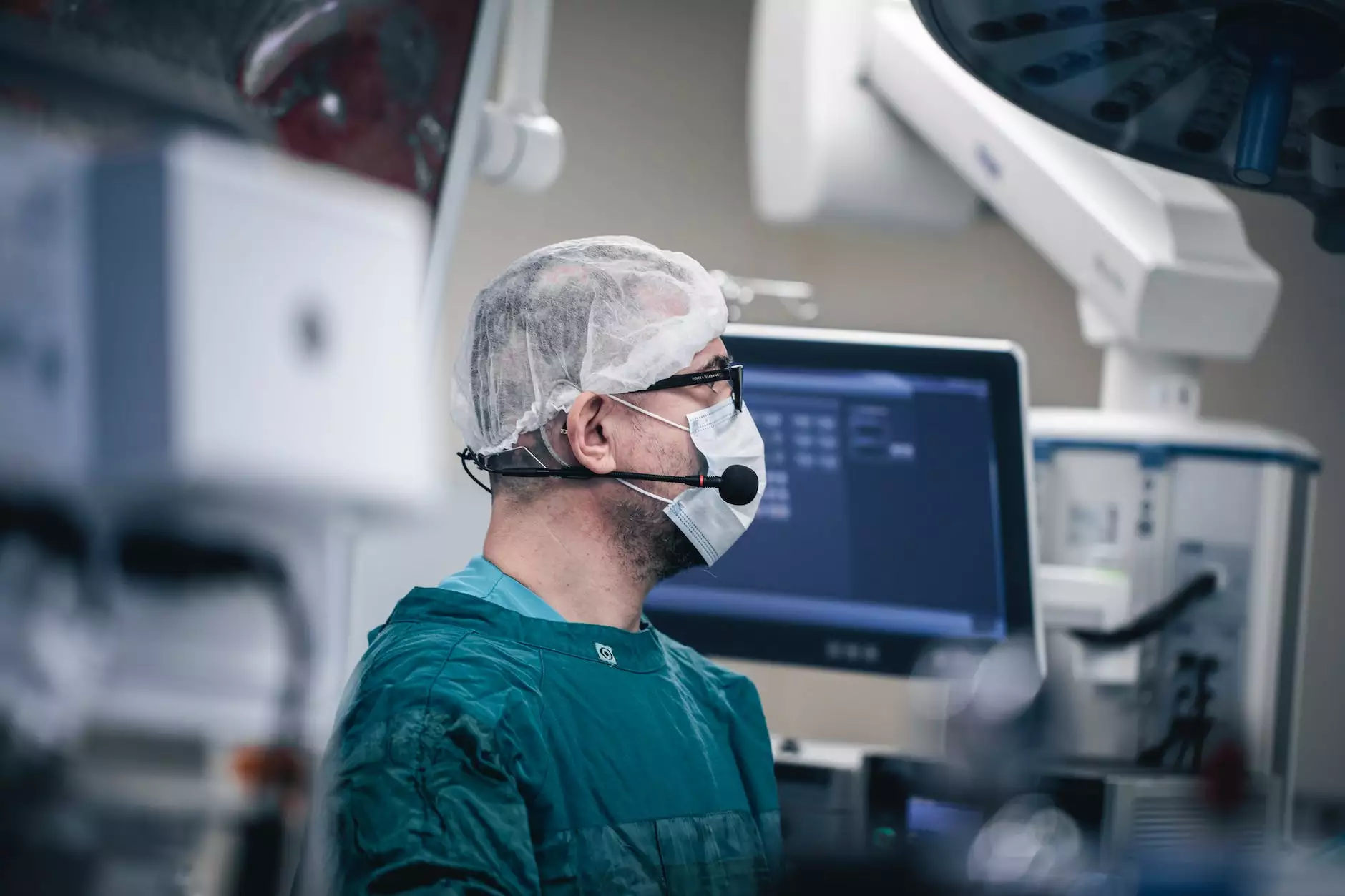
The field of medicine encompasses a variety of specialties, and among these, thoracic surgery plays a crucial role in diagnosing and treating conditions related to the chest, which includes the lungs and esophagus. This article delves into the various aspects of thoracic surgeons, exploring their expertise, the common procedures they perform, and their impact on overall health and wellness.
What is a Thoracic Surgeon?
A thoracic surgeon is a medical doctor who specializes in the surgical treatment of diseases affecting the thorax, or chest area. This includes a range of organs such as the lungs, heart, esophagus, and great vessels. These professionals are trained to perform complex surgeries and procedures to alleviate or manage a variety of medical conditions.
Educational Pathway to Becoming a Thoracic Surgeon
To become a thoracic surgeon, individuals must complete a rigorous educational journey:
- Undergraduate Degree: Most thoracic surgeons start with a Bachelor's degree in a science-related field, such as Biology or Chemistry.
- Medical School: They must then attend medical school to obtain a Doctor of Medicine (MD) or Doctor of Osteopathic Medicine (DO) degree.
- General Surgery Residency: After medical school, the next step is a residency program in general surgery, typically lasting 5 years.
- Thoracic Surgery Fellowship: Following general surgery, a 2-3 year fellowship in thoracic surgery provides specialized training.
It is this extensive training that equips thoracic surgeons with the skills necessary to perform intricate procedures and react aptly in critical situations.
Common Conditions Treated by Thoracic Surgeons
Thoracic surgeons are involved in treating a wide array of conditions. Some of the most common include:
- Lung Cancer: Thoracic surgeons play a pivotal role in the surgical management of lung cancer, which may involve removing part of a lung or the entire lung (pneumonectomy).
- Esophageal Disorders: Conditions such as esophageal cancer, achalasia, and gastroesophageal reflux disease (GERD) may require surgical intervention.
- Chest Trauma: Accidents causing broken ribs or punctured lungs often necessitate immediate surgical attention.
- Congenital Anomalies: Some conditions are present at birth, such as congenital diaphragmatic hernia, requiring surgical correction.
- Cardiovascular Issues: While cardiac surgeons focus on heart conditions, thoracic surgeons may also assist in surgeries involving the aorta and vascular connections within the thorax.
The Surgical Procedures Thoracic Surgeons Perform
Thoracic surgery encompasses a range of procedures, each tailored to address specific conditions. Here are some of the most frequently performed surgeries:
1. Lobectomy
A lobectomy involves the removal of a lobe of the lung, commonly performed to treat lung cancers or other severe lung diseases.
2. Wedge Resection
This procedure removes a small, wedge-shaped portion of the lung. It is usually performed to remove a tumor or damaged tissue.
3. Esophagectomy
In an esophagectomy, all or part of the esophagus is removed. This is often necessary for cancer treatment.
4. Mediastinoscopy
This minimally invasive procedure allows the surgeon to access the mediastinum (the area between the lungs) to obtain tissue samples for diagnosis.
5. Thoracotomy
A thoracotomy is an incision into the chest wall, providing access to the organs within the thoracic cavity for various surgical interventions.
6. Video-Assisted Thoracoscopic Surgery (VATS)
This minimally invasive surgery uses a camera and small instruments to perform procedures such as biopsies or lung resections, reducing recovery time and pain for patients.
Collaboration with Other Medical Professionals
Thoracic surgeons do not operate in isolation; they work closely with a multidisciplinary team to provide comprehensive patient care. Their collaboration often includes:
- Oncologists: For patients with cancer, thoracic surgeons coordinate with oncologists to design the best treatment plan.
- Pulmonologists: These specialists assess and manage chronic lung diseases, providing essential preoperative and postoperative care.
- Cardiologists: For patients with heart and vascular conditions, teamwork with cardiologists is crucial in complex cases.
- Physical Therapists: After surgery, physical therapists play a vital role in helping patients regain their strength and improve their breathing.
The Importance of Thoracic Surgeons in Sports Medicine
In the realm of sports medicine, thoracic surgeons are crucial for athletes who suffer from thoracic injuries. These can include:
- Pneumothorax: A condition where air leaks into the space between the lung and chest wall, often due to injury.
- Rib Fractures: Common in contact sports, these injuries can impact lung function and require surgical intervention.
- Exercise-Induced Asthma: Thoracic surgeons may collaborate with sports medicine specialists to manage severe asthma cases in athletes.
Rehabilitation and Recovery After Thoracic Surgery
Recovery from thoracic surgery is a critical aspect of the treatment process. It often involves the following:
1. Pain Management
Effective pain management is vital to ensure patient comfort and facilitate rehabilitation.
2. Respiratory Therapy
Patients usually require respiratory therapists to help them improve breathing function and clear secretions post-surgery.
3. Physical Therapy
Physical therapists assist patients in regaining mobility and strength through tailored rehabilitation programs.
Advancements in Thoracic Surgery
Technology continues to advance the field of thoracic surgery, improving outcomes and reducing recovery times. Innovations include:
- Robotic Surgery: Provides enhanced precision and less trauma to surrounding tissue.
- 3D Printing: Used for creating models of patients’ anatomy prior to surgery, allowing for better surgical planning.
- Telemedicine: Enhances patient care through remote consultations, enabling easy access to specialists.
Choosing a Thoracic Surgeon
Selecting the right thoracic surgeon is fundamental for patients facing surgical intervention. When choosing a thoracic surgeon, consider:
- Board Certification: Ensure that the surgeon is certified by the relevant medical boards.
- Experience and Specialization: Look for surgeons who have extensive experience and a specialization in the specific condition being treated.
- Patient Reviews: Researching reviews from previous patients can provide insight into the surgeon's skills and bedside manner.
- Hospital Affiliations: Consider the quality and reputation of the hospitals where the surgeon performs procedures.
Conclusion
The role of a thoracic surgeon is invaluable in the health and medical field, particularly with regard to complex chest conditions that require surgical intervention. Their expertise not only contributes to the success of surgical outcomes but also significantly impacts patients' recovery trajectories in sports medicine and through physical therapy. As medical technology continues to advance, the future of thoracic surgery looks promising, ensuring better care for patients in need.
Ultimately, consulting with a qualified thoracic surgeon can lead to enhanced outcomes and a brighter future for those facing challenging thoracic health issues.