Understanding Endometriosis Excision Surgery: The Key to Relief and Recovery
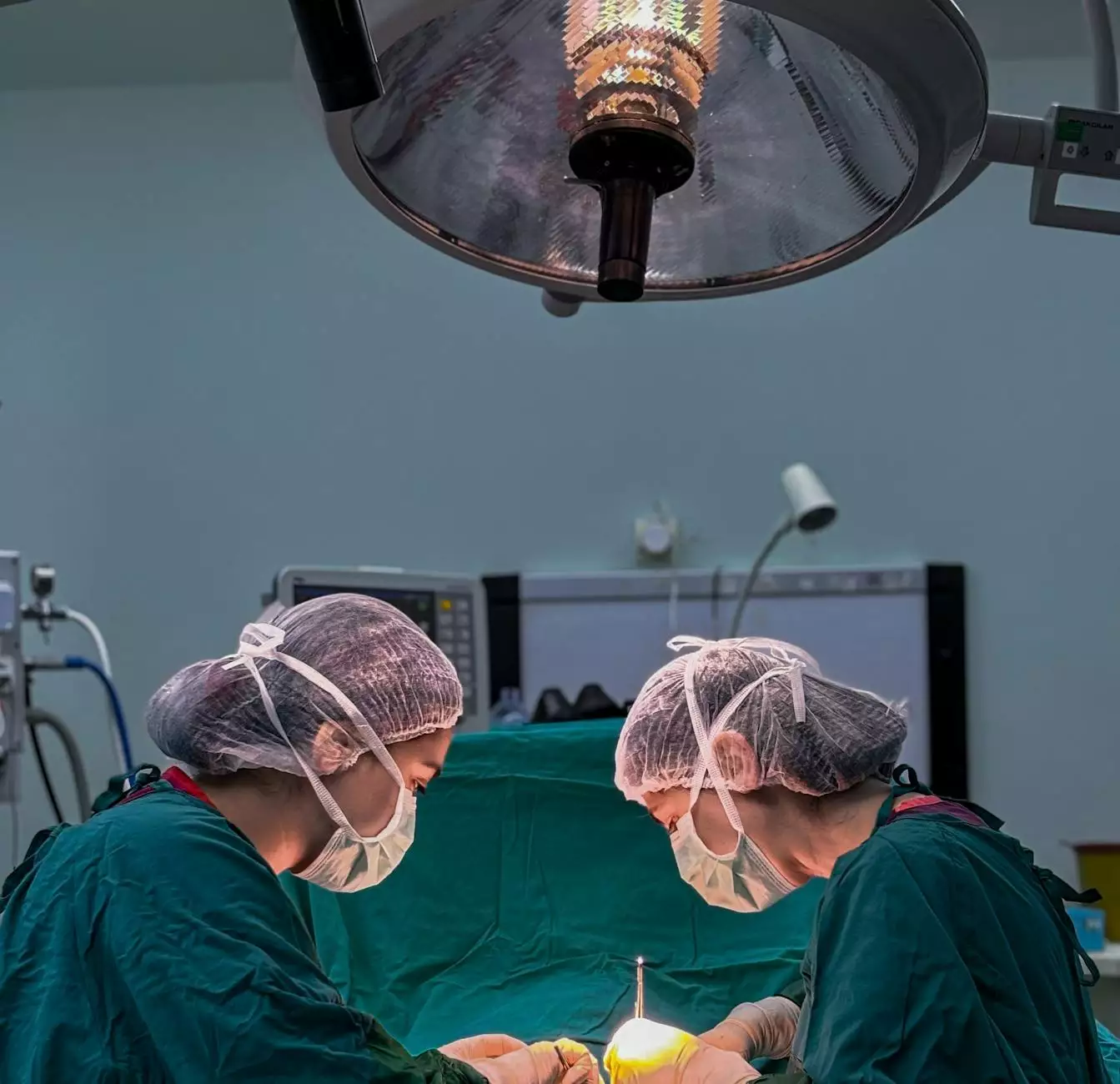
Endometriosis is a debilitating condition that affects millions of women worldwide. It occurs when tissue similar to the lining of the uterus grows outside the uterus, leading to severe pain, infertility, and a host of other complications. One of the most effective treatment options available today is endometriosis excision surgery. This article explores the procedure, its benefits, recovery process, and how it can dramatically improve the quality of life for those affected by this challenging condition.
What is Endometriosis Excision Surgery?
Endometriosis excision surgery is a surgical procedure aimed at removing endometriosis tissue from the body. Unlike other treatments that may simply manage symptoms, excision surgery targets the root cause by completely excising the endometrial-like tissue. This not only alleviates pain but also can improve fertility outcomes for women looking to conceive.
Types of Surgical Procedures
- Laparoscopy: A minimally invasive technique where small incisions are made in the abdomen, allowing the surgeon to remove endometriosis lesions using specialized instruments.
- Laparotomy: In more severe cases, an open surgery may be necessary. This involves a larger incision and provides a more extensive view for the surgeon to manage extensive endometriosis.
The Need for Excision Surgery
The severity and symptoms of endometriosis can vary significantly among individuals. In many cases, over-the-counter pain relief and hormonal therapies may not provide adequate relief. Here are some compelling reasons why endometriosis excision surgery might be the right choice:
Persistent Pain Management
For many women, chronic pelvic pain, painful periods, and discomfort during intercourse are debilitating. Surgery removes the source of pain rather than simply masking it, offering long-term relief.
Improved Fertility
Research shows that excision surgery can significantly enhance fertility, especially in women with endometriosis-related infertility. By removing adhesions and restoring normal anatomy, the chances of conception can improve markedly.
Personalized Treatment Plan
Every individual’s experience with endometriosis is unique. A thorough evaluation by a qualified gynecologist specializing in endometriosis is crucial to develop a personalized treatment plan that includes excision surgery if needed.
Preparing for Surgery
Preparation is key to successful endometriosis excision surgery. Your healthcare provider may recommend the following steps:
- Comprehensive Evaluation: Detailed imaging studies such as ultrasounds or MRIs may be conducted to assess the extent of endometriosis.
- Discussion of Medical History: Your doctor will review your medical history, including previous treatments and surgeries.
- Post-Operative Care Plan: Understanding what to expect post-surgery is crucial for a smooth recovery. Your doctor will provide guidelines on pain management and follow-up appointments.
The Surgical Procedure
The day of the endometriosis excision surgery typically involves:
- Anesthesia: The procedure is usually performed under general anesthesia, ensuring that the patient is completely unconscious and free of pain.
- Surgical Techniques: Depending on the severity of endometriosis, the surgeon will choose either laparoscopic or laparotomy techniques to excise lesions.
- Duration: The surgery can last anywhere from one to three hours, depending on the complexity of the case.
Post-Operative Recovery
Post-surgery, recovery and care are critical to achieving the best outcomes. Here’s what to expect:
Immediate Recovery
Patients are usually monitored in a recovery room for several hours before being discharged. Pain management is provided using medications, and patients are given specific instructions for at-home care.
Rehabilitation Timeline
Recovery times can vary significantly:
- Laparoscopic Surgery: Recovery can take a few days to a week, with most patients returning to their daily activities within 1-2 weeks.
- Laparotomy Surgery: Recovery may take longer, often ranging from 4 to 6 weeks, owing to the larger incision and more invasive nature of the procedure.
Recognizing Complications
Though endometriosis excision surgery is generally safe, there are risks associated with any surgery, including:
- Infection: Signs of infection include increased pain, fever, or unusual discharge.
- Bleeding: It’s important to monitor for excessive bleeding following surgery.
- Adhesions: These can form post-surgery, but experienced surgeons take steps to minimize this risk.
Long-Term Outlook After Surgery
The long-term outcomes following endometriosis excision surgery are typically positive. Many women experience significant relief from symptoms, and studies suggest that nearly 70-80% of women report improvement in their pain levels within a year after surgery.
Follow-Up Care
Regular follow-up appointments are crucial to monitor recovery and manage any ongoing symptoms. Many healthcare providers recommend:
- Routine Check-Ups: To assess ongoing health and any recurrence of endometriosis symptoms.
- Support Groups: Connecting with other women going through similar experiences can be a valuable part of recovery.
Choosing the Right Doctor: Dr. Seckin and His Expertise
One of the premier names in treating endometriosis is Dr. Seckin, whose practice, drseckin.com, specializes in endometriosis excision surgery and comprehensive care for women with endometriosis. With a reputation for excellence, Dr. Seckin utilizes state-of-the-art techniques and a patient-centered approach to ensure optimal outcomes for his patients.
Why Choose Dr. Seckin?
- Specialization: Dr. Seckin is an expert in gynecology with a focused practice on endometriosis, ensuring advanced understanding and treatment of the condition.
- Personalized Care: He believes in tailoring each treatment plan according to individual patient needs, ensuring a thorough and compassionate approach.
- Empowerment through Education: Patients receive extensive information and education regarding their condition and treatment options, empowering them to make informed decisions about their health.
Conclusion: The Path to Relief and Recovery
Endometriosis excision surgery is a transformative option for many women suffering from this challenging condition. With the right surgical approach, skilled practitioners like Dr. Seckin, and a commitment to post-operative care, women can reclaim their lives, alleviate chronic pain, and improve their chances of pregnancy. If you are struggling with endometriosis, consider discussing the possibility of excision surgery with a qualified specialist to explore the best options available for your unique situation.