The Ultimate Guide to Large Label Printers: Elevate Your Business Printing Solutions
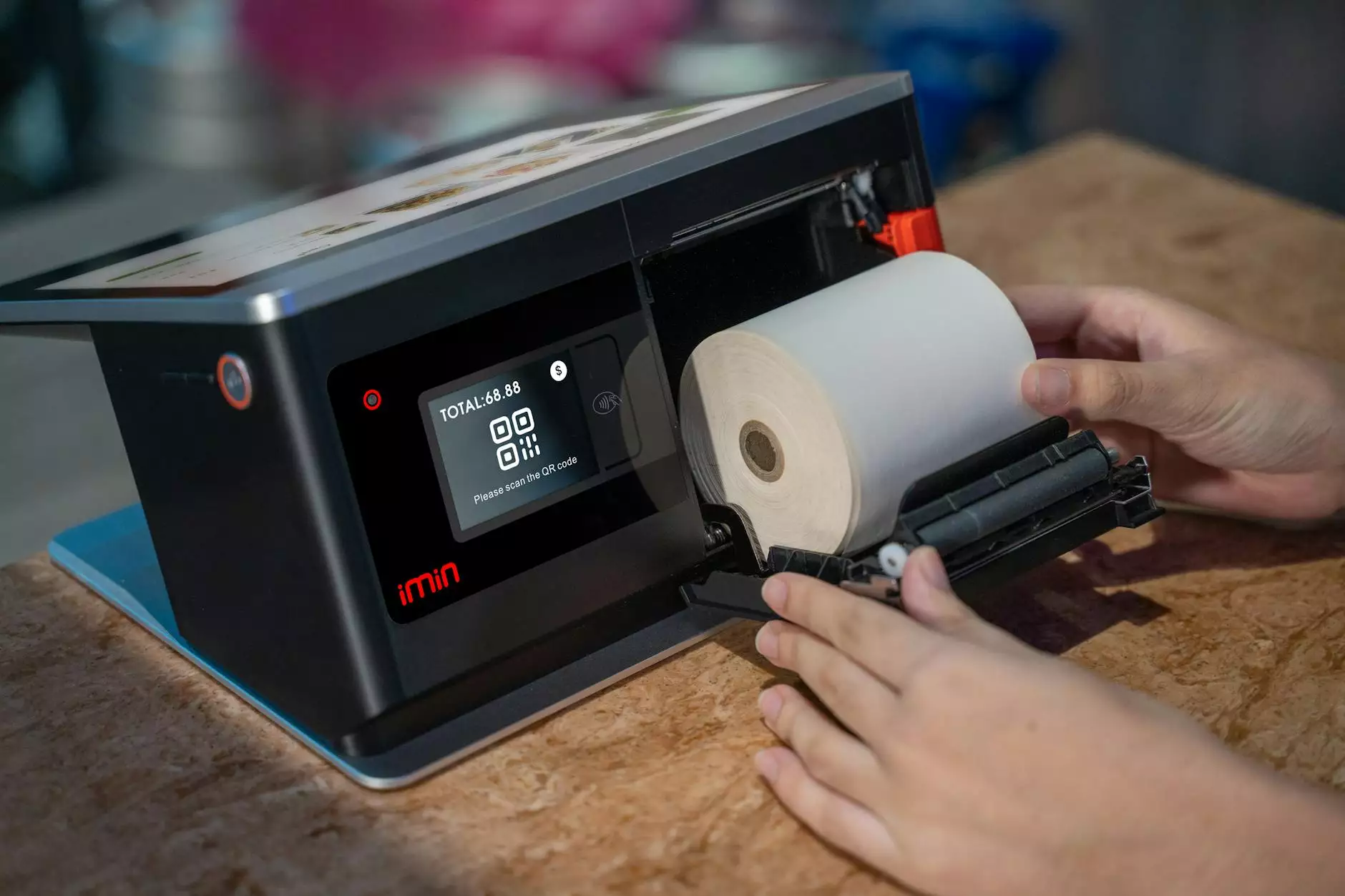
In today’s fast-paced business environment, efficiency and precision in printing services are critical to success. One of the most valuable tools in this regard is the large label printer. This comprehensive guide explores everything you need to know about large label printers, their advantages, and how they can significantly improve your operational efficiency.
What is a Large Label Printer?
A large label printer is a specialized printing device designed to produce high-quality, large-format labels. These printers can handle a wide range of media types and sizes, making them ideal for industries that require durable labels capable of withstanding various environmental conditions. Whether you operate in retail, logistics, manufacturing, or even healthcare, investing in a large label printer can transform your product labeling, shipping processes, and overall branding efforts.
Features of Large Label Printers
When considering a large label printer, it is essential to understand the key features that set these devices apart from standard printers. Here are some prominent features to look for:
- Print Quality: Many large label printers offer high DPI (dots per inch) resolution, ensuring crisp and vibrant prints.
- Durability: Designed for industrial use, these printers can produce labels that resist fading, scratching, and moisture.
- Speed: High-speed printing capabilities help reduce job times significantly, enhancing productivity.
- Versatile Media Handling: They can print on multiple label materials, including paper, vinyl, and synthetic substrates.
- User-Friendly Interface: Intuitive controls and software compatibility streamline the printing process.
- Connectivity Options: Many models support USB, Ethernet, and wireless connections, providing flexibility in setup.
Advantages of Using Large Label Printers
The benefits of utilizing a large label printer extend beyond mere efficiency. Here are the top advantages that make these printers a worthwhile investment:
1. Enhanced Branding Opportunities
Branding is crucial in any business. A large label printer allows for custom designs that can showcase your logo, brand colors, and other important information, ensuring your products stand out on shelves.
2. Cost-Effective Solutions
Outsourcing label printing can be expensive. By investing in a large label printer, you can produce your labels in-house, significantly reducing costs associated with external printing services.
3. Increased Productivity
With the ability to print in bulk and eliminate long lead times, a large label printer can enhance your operational workflow, allowing your team to focus on higher-value tasks.
4. Higher Accuracy
Automated label printing reduces human error, ensuring that each label is printed correctly. This accuracy is especially important in industries like healthcare and manufacturing, where mislabeling can lead to significant issues.
5. Customization Flexibility
The demand for customization is on the rise. A large label printer enables you to easily modify label designs, whether it’s for seasonal products or new branding, without the need for costly reprints.
Choosing the Right Large Label Printer for Your Business
Selecting the right large label printer requires careful consideration of your specific business needs. Here are some factors to consider:
1. Volume of Printing
Assess the volume of labels you need to print on a daily or weekly basis. This will guide you toward a printer that can meet your operational requirements without compromise.
2. Label Size and Material
Determine the sizes and types of labels you will be printing. Some printers are better suited for specific materials, so ensure the printer you choose can handle your preferred label substrates.
3. Print Speed
If your business demands quick turnaround times, invest in a large label printer known for its printing speed. Check the printer’s output per minute (OPM) to assess its efficiency.
4. Connectivity Needs
Your printer should fit seamlessly into your existing workflow. Ensure it has the necessary connectivity options to integrate with your current systems, such as cloud-based solutions or inventory management software.
5. Budget Considerations
Finally, consider your budget. While large label printers can be a significant investment, think of them as a long-term asset. Assess the total cost of ownership, including maintenance, ink, and label material costs.