Unlocking Ways to Reduce Knee Joint Pain: Expert Strategies, Innovative Treatments, and Holistic Approaches
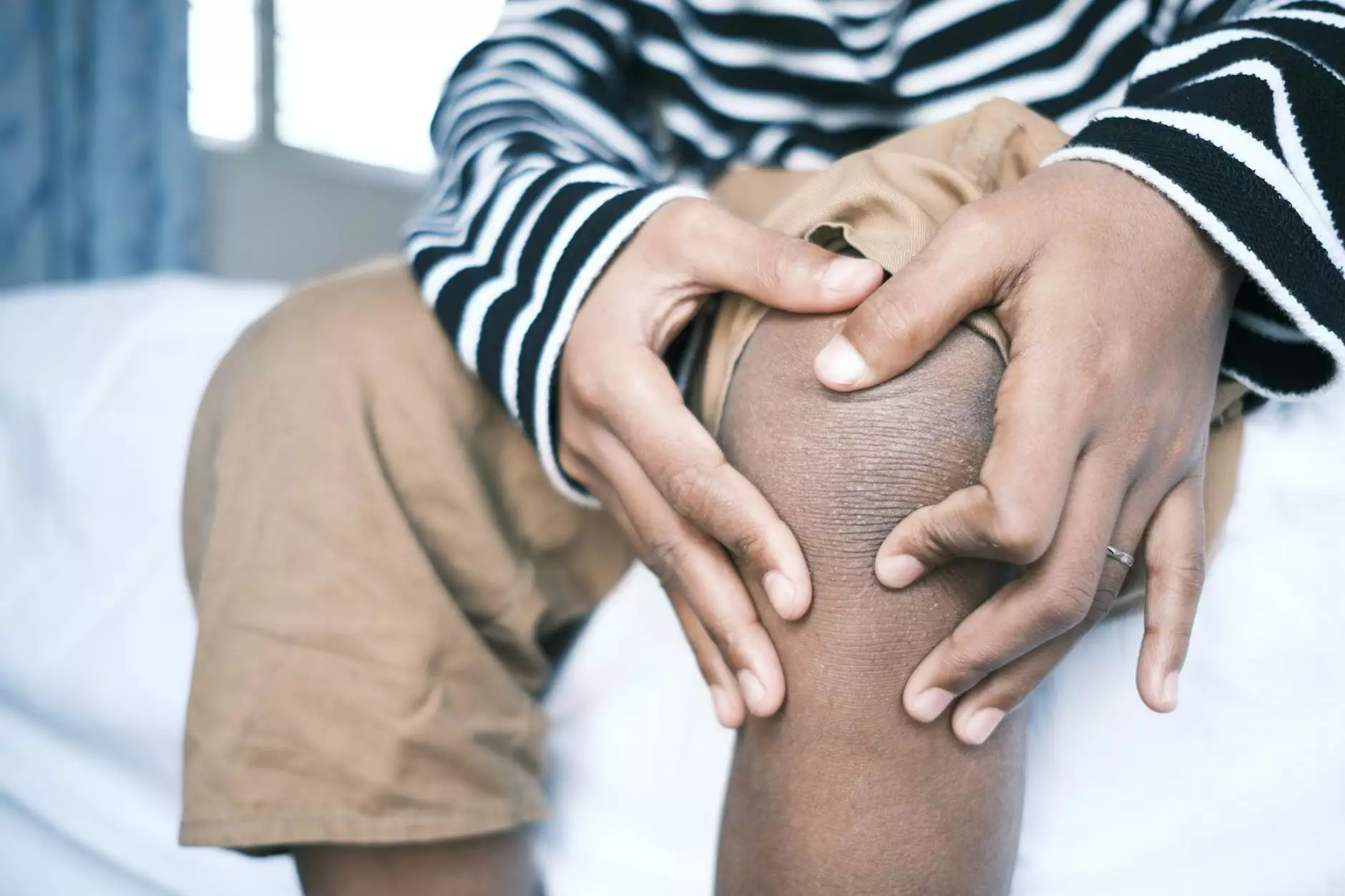
Chronic knee joint pain is a common issue affecting millions of individuals worldwide, leading to decreased mobility, discomfort, and a diminished quality of life. Whether caused by aging, injury, or underlying medical conditions such as osteoarthritis, reducing knee joint pain remains a top priority for healthcare professionals and sufferers alike. Today, advances in medical science, combined with innovative cosmetic approaches, offer a multitude of effective solutions to alleviate this debilitating ailment. This comprehensive guide explores proven techniques, emerging technologies, and lifestyle modifications designed to help you reduce knee joint pain and regain your mobility and vitality.
Understanding the Causes of Knee Joint Pain
Before delving into methods to reduce knee joint pain, it is essential to understand the primary causes. Knee pain can stem from diverse factors, including:
- Aging: Wear and tear of cartilage over time leading to osteoarthritis.
- Injuries: Ligament tears, meniscus injuries, fractures, or dislocations.
- Overuse: Repetitive stress from sports, strenuous activities, or occupational tasks.
- Obesity: Excess weight increases mechanical stress on the knee joints.
- Degenerative processes: Rheumatoid arthritis or other inflammatory conditions.
Traditional and Modern Approaches to Reduce Knee Joint Pain
Addressing knee pain requires a multifaceted approach. Traditional methods such as rest, physical therapy, and medications have been supplemented by cutting-edge innovations, offering more targeted and sustainable relief options.
1. Conservative Therapies for Knee Pain Relief
Initial treatment often involves conservative measures:
- Rest and Activity Modification: Avoiding activities that exacerbate pain to prevent further joint damage.
- Physical Therapy: Customized exercises to strengthen thigh muscles, improve joint stability, and enhance flexibility.
- Nonsteroidal Anti-Inflammatory Drugs (NSAIDs): Medications like ibuprofen to reduce inflammation and alleviate pain.
- Weight Management: Losing excess weight decreases pressure on the knees, significantly aiding in pain reduction.
- Assistive Devices: Use of braces, shoe inserts, or canes to offload stress from the knee joint.
2. Advanced Medical Treatments to Reduce Knee Joint Pain
When conservative strategies are insufficient, modern medical treatments provide more profound relief:
- Intra-Articular Injections:
- Hyaluronic Acid Injections: Lubricates the joint, easing movement and reducing pain.
- Platelet-Rich Plasma (PRP): Harnesses the body’s regenerative capabilities to repair damaged tissues.
- Corticosteroid Injections: Provide short-term inflammation relief, especially during flare-ups.
- Minimally Invasive Procedures:
- Microfracture Surgery: Stimulates cartilage regrowth in damaged areas.
- Arthroscopic Debridement: Removes loose cartilage or debris causing irritation.
- Joint Replacement Surgery: For severe cases, partial or total knee replacement restores function and reduces pain substantially.
3. Innovative Cosmetic and Regenerative Techniques
Beyond traditional treatments, cosmetic and regenerative medical procedures offer promising avenues to combat knee joint pain, especially targeting tissue repair and aesthetic restoration. UAdermalFiller.com specializes in such cutting-edge solutions, integrating cosmetic applications into medical treatment plans for holistic benefits.
Role of Cosmetic Solutions to Alleviate and Prevent Knee Pain
While primarily associated with aesthetics, certain cosmetic treatments enhance joint health by improving skin elasticity, stimulating tissue regeneration, and addressing underlying inflammatory processes. Some of these methods include:
- Dermal Fillers: Used not only for aesthetic enhancement but also to support soft tissue around the joint, improving stability and reducing strain.
- Platelet-Derived Growth Factor (PDGF) Treatments: Promote regeneration of damaged cartilage and soft tissues, leading to improved joint function.
- Laser Therapy: Non-invasive technique to reduce inflammation and stimulate cellular repair processes around the knee.
- Massage and Soft Tissue Therapies: Improve circulation, reduce muscle tension, and facilitate tissue healing.
Strategies to Maintain Knee Health and Prevent Pain
Proactive measures play a crucial role in reducing knee joint pain and preventing degeneration. Incorporating lifestyle adjustments and medical interventions can promote long-term joint health:
- Regular Low-Impact Exercise: Engaging in swimming, cycling, or yoga maintains joint flexibility without excessive stress.
- Proper Nutrition: Consuming anti-inflammatory foods rich in omega-3 fatty acids, antioxidants, and vitamins supports cartilage health.
- Targeted Strengthening Exercises: Focused on the quadriceps, hamstrings, and calf muscles to stabilize the knee joint.
- Avoiding Excessive Load: Prevent overexertion and repetitive high-impact activities that can accelerate joint wear.
- Using Protective Gear: Knee braces or pads during sports or strenuous activities to prevent injuries.
The Future of Knee Pain Management: Integrated Medical and Cosmetic Approaches
The convergence of medical science with cosmetic technology heralds a new era in knee joint pain management. Innovations such as biologic therapies, regenerative medicine, and minimally invasive aesthetic procedures are being refined to offer personalized solutions that not only alleviate pain but also enhance joint aesthetics and function.
For example, clinics like UAdermalFiller.com combine expertise in health & medical treatments with advanced cosmetic applications, providing patients with holistic care options that address both functional and aesthetic concerns. This integrated approach leads to faster recovery times, improved outcomes, and increased patient satisfaction.
Choosing the Right Treatment Plan to Reduce Knee Joint Pain
Every patient’s condition is unique. Consulting with a multidisciplinary team specializing in orthopedic, cosmetic, and regenerative medicine ensures personalized, effective treatment plans. The selection process usually involves:
- Comprehensive clinical evaluation
- Imaging studies such as MRI or X-ray
- Assessment of lifestyle and activity levels
- Discussion of treatment goals and expectations
Conclusion: Embrace a Holistic Approach for Lasting Relief
In conclusion, the journey to reduce knee joint pain involves a combination of lifestyle modifications, conservative therapies, advanced medical procedures, and innovative cosmetic treatments. Modern science and aesthetic medicine continue to evolve, offering hope and effective solutions for those suffering from knee discomfort. By prioritizing proactive care, embracing technological advancements, and consulting qualified healthcare professionals, individuals can regain their mobility, reduce pain, and enjoy a higher quality of life. The future is promising and full of opportunities for lasting relief and enhanced well-being.
Explore the Cutting-Edge Solutions at UAdermalFiller.com
If you are looking for expert guidance and innovative treatments to reduce knee joint pain, UAdermalFiller.com provides a comprehensive range of health, medical, and cosmetic interventions tailored to your needs. Take the first step towards a pain-free, active lifestyle today by consulting a qualified specialist who can craft a personalized treatment plan combining the best of medicine and aesthetics.