Unlocking the Power of Pumpkins: Natural Benefits & Pumpkin Vitamins for Gardeners
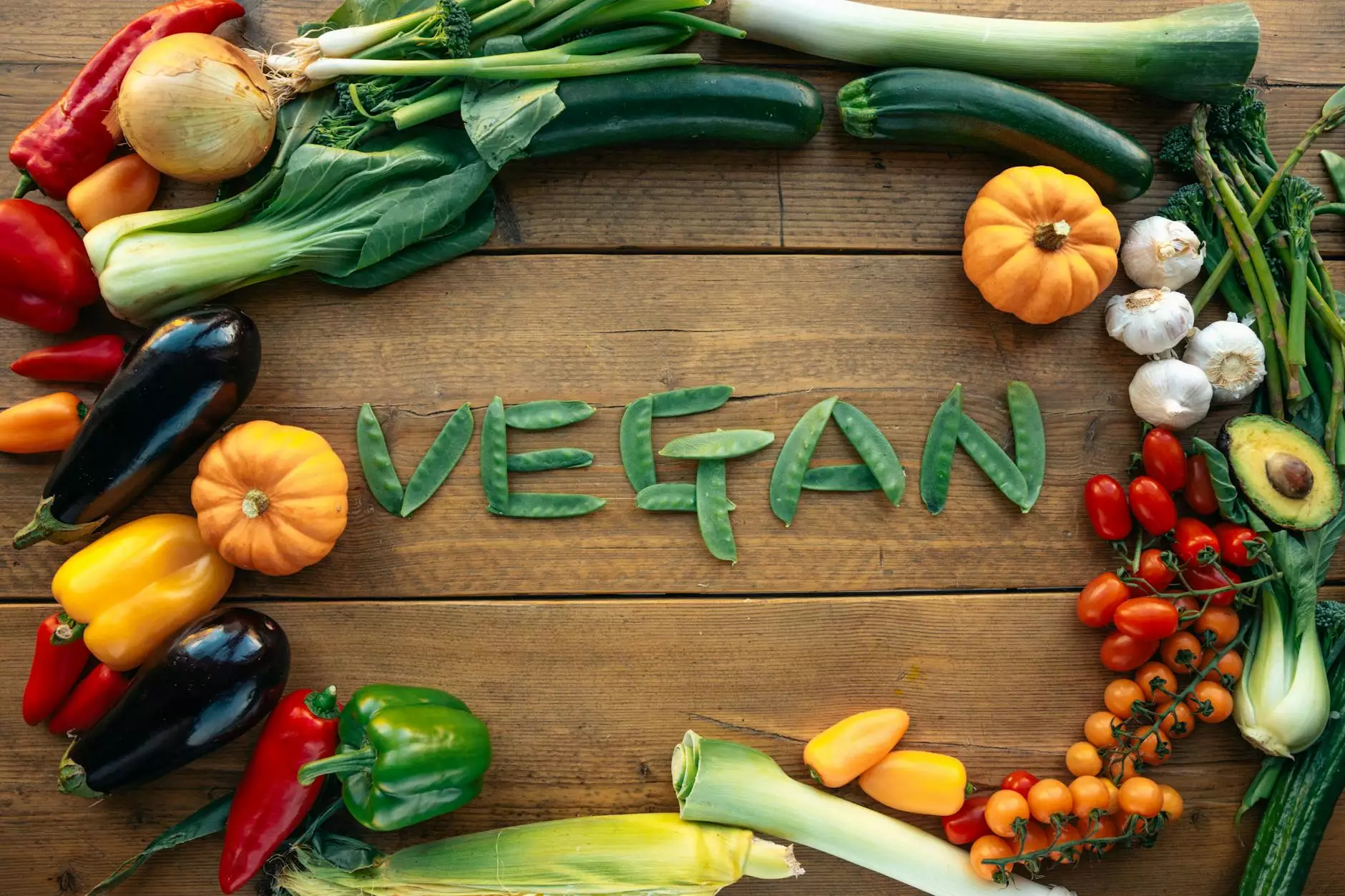
In the world of gardening and healthy living, pumpkins stand out as exceptional fruits that offer a broad spectrum of nutritional benefits. As one of the most versatile and celebrated produce items, pumpkins are not only a symbol of autumn festivities but also a powerhouse of essential nutrients known as pumpkin vitamins. This comprehensive guide delves into the significance of pumpkins for gardeners, explores the numerous health benefits bestowed by pumpkin vitamins, and provides expert tips for cultivating bountiful pumpkin harvests that can enrich your diet and boost your well-being.
Understanding the Significance of Pumpkins in Gardening and Nutrition
Pumpkins belong to the gourd family, a fascinating group of plants that have been cultivated for thousands of years across various cultures worldwide. They are esteemed both for their culinary versatility and their potent nutritional profile. For gardeners, pumpkins are relatively easy to grow with proper planning, making them an accessible crop for small and large-scale agricultural ventures.
From a nutritional perspective, pumpkins are a treasure trove of vitamins, minerals, and antioxidants. The ingestion of pumpkin-based foods can contribute significantly to enhanced health, owing largely to the presence of pumpkin vitamins. These vital nutrients support immune function, improve skin health, bolster eye health, and even promote cardiovascular wellness.
Deep Dive into Pumpkin Vitamins: Nature’s Nutritional Powerhouses
What Are Pumpkin Vitamins?
Pumpkin vitamins refer to the spectrum of essential nutrients concentrated in pumpkin flesh, seeds, and skin. These include a variety of vitamins such as Vitamin A, Vitamin C, Vitamin E, Vitamin K, and B-complex vitamins, along with vital minerals like potassium, magnesium, and zinc. Each plays a crucial role in maintaining overall health and wellness.
The Key Vitamins Found in Pumpkins and Their Benefits
- Vitamin A (Beta-carotene): Pumpkins are rich in beta-carotene, which the body converts into Vitamin A. This vitamin is fundamental for healthy vision, immune defense, and skin vitality.
- Vitamin C: An antioxidant that boosts immunity, promotes collagen synthesis, and enhances wound healing.
- Vitamin E: Contributes to skin protection against oxidative stress and supports cellular health.
- Vitamin K: Essential for blood clotting and bone health, vitamin K plays an underrated yet pivotal role.
- B-Complex Vitamins: Including B1, B2, B3, B5, B6, and B9, these vitamins support energy production, brain function, and red blood cell formation.
The Comprehensive Health Benefits of Pumpkin Vitamins for Gardeners and Consumers
Consuming pumpkin and its derivatives delivers a wealth of health benefits. The presence of these pumpkin vitamins makes pumpkins a superfood suitable for all age groups. Here are detailed benefits:
1. Boosts Immune System Function
The abundance of vitamins, especially Vitamin C and beta-carotene, strengthens the immune system, helping fend off illnesses and infections.
2. Promotes Eye Health and Prevents Vision Problems
High levels of Vitamin A, derived from beta-carotene, are essential for maintaining good eyesight and preventing age-related macular degeneration.
3. Supports Skin Health and Anti-Aging Properties
Antioxidants such as Vitamin E protect skin cells from oxidative stress and promote a youthful complexion.
4. Enhances Heart and Cardiovascular Health
The potassium and magnesium in pumpkins regulate blood pressure levels, reducing the risk of cardiovascular diseases.
5. Promotes Digestive Health and Reduces Inflammation
Additionally, the dietary fiber content supports digestion, while antioxidants help reduce inflammation throughout the body.
Growing Pumpkins: A Guide for Gardeners to Maximize Nutrition and Harvest Quality
For gardeners aiming to harvest pumpkins that are not only plentiful but also rich in nutritional content, understanding effective cultivation practices is essential. Here are expert tips to ensure optimal growth:
Soil Preparation and Site Selection
Pumpkins thrive in well-drained, fertile soils rich in organic matter. Before planting, perform a soil test to determine nutrient levels and adjust accordingly with compost or organic fertilizers. Choose a sunny location with at least 6 to 8 hours of direct sunlight daily for vigorous growth.
Planting Techniques and Timing
Plant pumpkin seedlings or direct sow seeds when soil temperatures reach around 70°F (21°C). Space plants approximately 3 to 4 feet apart to accommodate sprawling vines and prevent overcrowding. Proper spacing enhances air circulation, reducing disease risks.
Watering and Irrigation
Consistent watering is crucial during the growing season, particularly during flowering and fruit-setting phases. Drip irrigation systems are ideal, as they deliver water directly to the roots and minimize moisture on foliage, reducing pest and disease issues.
Pollination and Fruit Development
Pumpkins depend on pollinators like bees. Ensuring a pollinator-friendly environment enhances fruit set. Avoid using pesticides during flowering periods to protect these vital insects.
Pest and Disease Management
Regular monitoring helps identify common pests such as squash bugs, cucumber beetles, and aphids early. Employ organic pest control methods like neem oil or introducing beneficial insects. Crop rotation and disease-resistant varieties further reduce risks.
Harvesting Pumpkins for Optimal Nutritional Content
Harvest pumpkins when they have achieved full color and the rind becomes hard. Proper timing ensures maximum pumpkin vitamins concentration, especially beta-carotene. Use clean, sharp tools to cut the stem, leaving about 2 inches attached to the pumpkin.
Post-harvest, cure pumpkins in a warm, dry place for about 10 days to enhance flavor and nutritional value. Proper curing also prolongs shelf life, allowing you to enjoy pumpkins throughout the season.
Incorporating Pumpkins into Your Diet for Enhanced Health
Once harvested, pumpkins can be transformed into a diverse array of dishes—soups, stews, roasted vegetables, and even baked goods. Consuming pumpkins regularly can maximize their health benefits derived from pumpkin vitamins.
Creative Ways to Enjoy Your Pumpkins
- Roasted pumpkin slices with herbs and spices
- Pumpkin purees for smoothies and desserts
- Homemade pumpkin soups rich in beta-carotene
- Seed snacks roasted with sea salt or spices
- Pumpkin-based curries and stews for hearty meals
Additional Benefits of Pumpkin Seeds and Their Nutritional Profile
While the flesh provides an array of vitamins, pumpkin seeds are equally beneficial, loaded with magnesium, zinc, and healthy fats. They support prostate health, boost immunity, and enhance sleep quality thanks to the amino acid tryptophan.
Conclusion: Embrace the Power of Pumpkins for a Healthier Life and Bountiful Gardens
In summary, pumpkins are a remarkable fruit that combines ease of cultivation with outstanding nutritional benefits, chiefly due to their rich pumpkin vitamins. By mastering optimal gardening techniques, harvesting at the right time, and incorporating pumpkins into daily nutrition, gardeners and consumers alike can enjoy profound health benefits while cultivating joy and sustainability in their gardens.
Whether you're an experienced gardener or a curious beginner, the journey of growing pumpkins offers rewarding experiences and incredible health rewards. Start your pumpkin-growing adventure today and unlock nature’s treasure trove of pumpkin vitamins — nourishing your body and enriching your garden.